
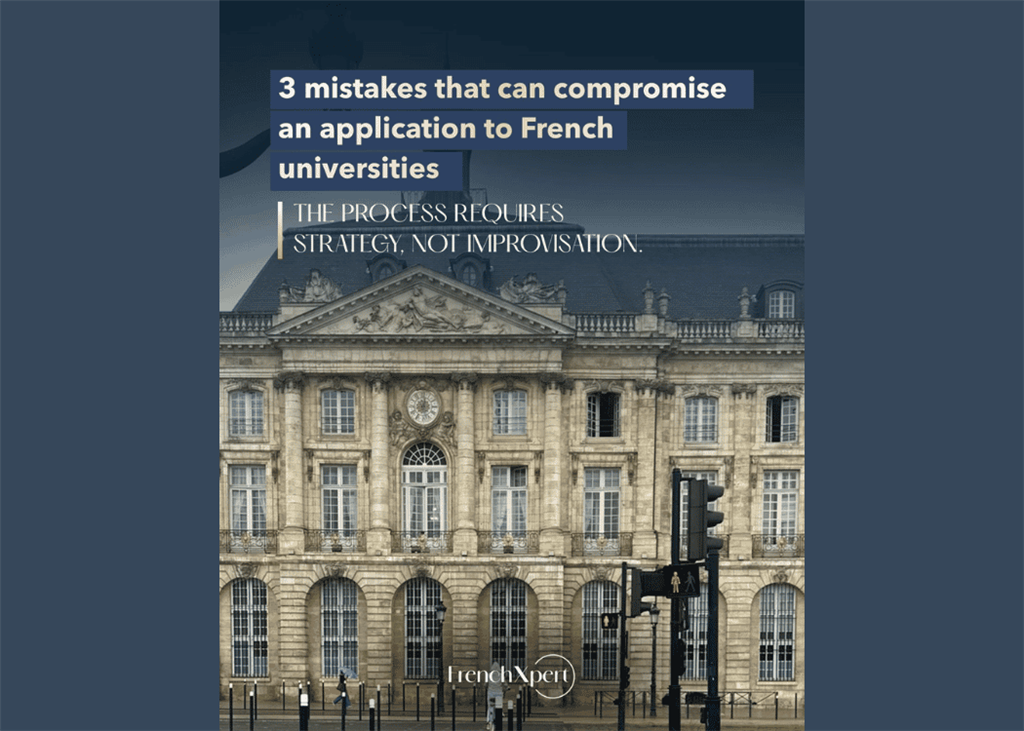
Applying to a French university is an exciting step for many international students, but it is also a process that requires careful planning, accurate information and the right guidance. While students often focus on selecting a course or dreaming about life in France, the reality is that a successful university application depends on much more than choosing a destination.
For education agents, understanding the challenges students face is essential. Even small errors made during the application process can result in missed deadlines, rejected applications or unsuitable university choices. By providing structured advice from the very beginning, agents can help students avoid costly mistakes and significantly improve their chances of success.
One of the biggest misconceptions among prospective students is that finding the right degree programme is enough. In reality, selecting the right university requires a much deeper evaluation.
Every institution has its own admission criteria, language expectations, academic standards and student support services. A university that is perfect for one student may not be suitable for another.
Education agents should carefully assess each student's academic background, language proficiency, career aspirations and personal circumstances before recommending institutions. This personalised approach creates stronger applications and increases the likelihood of admission.
French universities do not all follow the same application calendar. Depending on the institution, programme and applicant's nationality, deadlines can vary considerably.
Students who begin preparing their applications too late often discover that important submission dates have already passed. In some cases, supporting documents such as translations, language certificates or legalised paperwork require several weeks to obtain.
Agents who stay informed about official timelines can help students prepare well in advance, reducing unnecessary stress and avoiding last minute complications.
Application documents are much more than administrative paperwork. They form the foundation of the student's application and demonstrate both academic ability and preparedness.
One of the most common mistakes is submitting incomplete or incorrectly prepared documentation. Academic transcripts, diplomas, personal statements, recommendation letters and language certificates all need to meet the specific requirements of each institution.
Simply translating documents is often not enough. Students must understand exactly what each university expects and ensure every document complies with the relevant academic standards.
A well organised application reflects professionalism and attention to detail, qualities that admissions teams appreciate.
Successful international applications rarely happen by chance. They are built through careful planning and informed decision making.
Education agents play a valuable role by helping students develop realistic application strategies that balance ambition with achievable opportunities. This may involve selecting a combination of highly competitive institutions alongside universities that are better matched to the student's academic profile.
Strategic planning also allows students to prepare financial documentation, accommodation arrangements and visa requirements in parallel with their university applications.
Students today have access to a vast amount of information online, but not all of it is accurate, current or relevant to their individual situation.
Reliable guidance helps students understand the complete application journey rather than simply completing forms. By receiving accurate advice from experienced professionals, they can make informed decisions with greater confidence.
For education agents, this also strengthens trust and builds long term relationships with students and their families.
International education is about creating opportunities, but those opportunities depend on making the right decisions at the right time.
Helping students choose suitable institutions, understand official deadlines and prepare high quality applications can make the difference between disappointment and success.
A structured application process reduces uncertainty, improves application quality and gives students the best possible chance of achieving their academic goals in France.
Education agents looking to better understand the French university application process and access professional guidance can find more information at www.frenchxpert.com.












2026 SchoolsandAgents (C) - Developed by Websuccess